
Samsung Galaxy S26 Review (Base Model): The Cheapest Version Everyone Underestimates—Until You See What It Can Really Do
FIND THIS Samsung Galaxy S26 free on AMAZON
The Samsung Galaxy S26 “standard” (often called the “plain” or non-Ultra version) looks like the most affordable entry in the flagship family, but it’s not a phone you can dismiss. Samsung positions it as the “cheapest” path into top-tier performance, and this year the value proposition feels sharper than ever. The headline upgrade is the Exynos 2600 chipset built on an advanced 2 nm process, promising flagship speed with better efficiency. In everyday terms, that means faster app launches, smoother multitasking, and less heat under sustained loads—without demanding a massive battery or bulky chassis.
Design-wise, the Galaxy S26 keeps the clean, premium approach Samsung has refined: compact enough to use one-handed, but still modern and assertive. The “Polos” variant is expected to target users who want a flagship experience without the extra heft and price of the Ultra’s camera hardware and stylus. The frame feels sturdy, the back finish resists fingerprints better than many glossy competitors, and the overall build quality still reads “high-end.” If you care about ergonomics, this is where the standard S26 may even beat its siblings: it’s the model you’ll actually enjoy holding for hours.
The display remains one of Samsung’s core strengths. You can expect a bright, color-accurate AMOLED panel with a high refresh rate that makes scrolling and animations feel fluid. What matters here isn’t only peak brightness, but consistency: outdoor readability, punchy HDR playback, and uniform colors at different brightness levels. For gaming and video, this screen class typically delivers deep blacks, strong contrast, and snappy touch response. Samsung’s software tuning also helps keep motion smooth across apps, giving the impression of a device that is always “ready” and never hesitating, even when you’re pushing it.
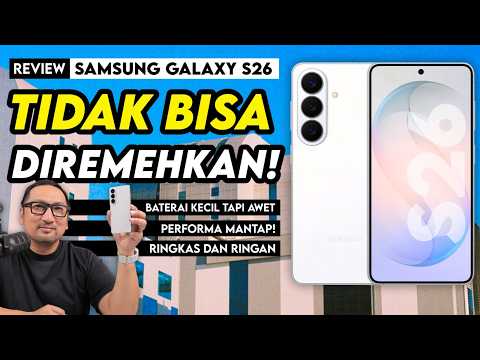
Performance is where the Exynos 2600’s 2 nm fabrication becomes more than a spec-sheet flex. Efficiency translates into sustained power: longer gaming sessions with fewer frame drops, stable camera processing during extended shooting, and less throttling when you’re doing heavy tasks like editing photos, exporting clips, or running multiple apps in split-screen mode. Samsung’s thermal management usually balances comfort and output, and a more efficient chip helps that equation. The result is a phone that feels consistently fast rather than “fast for five minutes,” which is exactly what makes a flagship feel premium.
Battery life should also benefit from the same efficiency gains. Even with a modest battery size compared to larger models, a 2 nm SoC can stretch screen-on time and reduce standby drain. In real use, that could mean confidently getting through a full day of messaging, navigation, social media, and streaming with fewer anxious glances at the percentage. Charging speed and wireless charging features are typically solid in this class, and Samsung’s battery health features continue to improve, helping users preserve capacity over time. It’s not just about going longer—it’s about being predictable.
Camera performance on the “Polos” S26 is likely tuned to offer flagship-quality results without the extreme zoom hardware. That’s a reasonable trade-off for most people: reliable main-camera shots, strong dynamic range, and Samsung’s signature vibrant look, with improved low-light processing driven by a faster ISP and smarter AI. Expect quick shutter response, good stabilization for casual video, and portrait modes that handle edge detection better than older generations. Ultimately, the Galaxy S26 standard is the kind of “cheapest flagship” that doesn’t feel compromised: it’s a balanced, efficient, and confident device that punches above its price.
0 Response to "Samsung Galaxy S26 Review (Base Model): The Cheapest Version Everyone Underestimates—Until You See What It Can Really Do"
Post a Comment