
Galaxy Z Fold8 Exposed: Secrets, Surprises, and the Real Impact on Foldables
FIND THIS (Galaxy ZFold8) free on AMAZON
Nestled in the shadow of last year’s folding phone hype, the Galaxy Z Fold8 arrives with tempered expectations and a stubborn curiosity about what truly counts. Samsung promises refinement rather than revolution, and early hands-on impressions mostly confirm that approach. The device looks more confident in its stance: a slightly sturdier hinge, a lighter chassis, and screens that feel less like prototypes and more like everyday tools. The truth, as many reviewers have learned, is that progress in foldables is incremental, measured in real–world daily use rather than dramatic showpiece moments. Software polish and dependable multitasking culminate in #galaxyzfold8 today.
Fans hoping for dramatic camera leaps or magical battery life will be disappointed, as the Fold8 offers steadier, practical improvements rather than flashy promises. The triple camera array remains versatile, though not class-leading in every light, and Samsung emphasizes color science and consistency over headline numbers. In daily use, the phone adapts quickly to split-screen work, letting notes, chats, and maps share space without constant juggling. The glass on the cover panel feels reassuring, yet the edge chamfers can catch clothing if you aren’t careful. These subtleties reveal a philosophy: foldables succeed when comfort, predictability, and intent align #review everywhere.
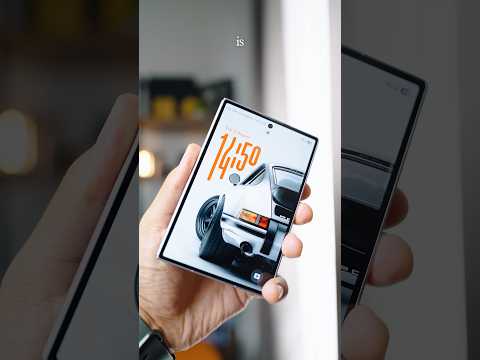
Beyond hardware, the most telling truth about the Z Fold8 centers on software maturity. Samsung’s One UI continues to refine how apps behave when you transition between screens, and developers are gradually embracing fold-ready layouts. In practice, you can drag a chat thread into a resizable panel while drafting an email, then slide the same window into a side tab for reference. The experience remains fluid most of the time, but occasional app quirks remind you that the ecosystem still evolves. If you value stability above novelty, you will respect how consistently the platform handles multitasking without heavy schooling today.
Performance and battery life settle into a pragmatic middle ground. The Snapdragon–equivalent processor inside the Fold8 keeps everyday apps responsive and games reasonably smooth, yet it never pretends to be a gaming phone. On average use, the adaptive refresh rate preserves battery without sacrificing feel. Charging remains predictable: a fast charge fills a substantial portion quickly, followed by slower topping up the rest when you’re in a routine. The bigger battery helps, but the hinge and under-display camera still demand careful use in rough conditions. In short, the Fold8 delivers dependable endurance for workdays, without marketing magic tricks everyday life.
Ultimately, the truth about the Galaxy Z Fold8 is less about new features and more about consistency, value, and intent. If you crave a compact phone that opens into a small workstation, the Fold8 quietly earns its place. If you want a camera-first flagship, you may still prefer a traditional slab. Price remains a talking point, but in real-world terms the device earns its premium through sustained usability, not novelty. Samsung’s engineering teams appear to be listening to customers who rotate between productivity needs and leisure time, and that balance is what will decide a foldable’s appeal in 2026 beyond.
0 Response to "Galaxy Z Fold8 Exposed: Secrets, Surprises, and the Real Impact on Foldables"
Post a Comment