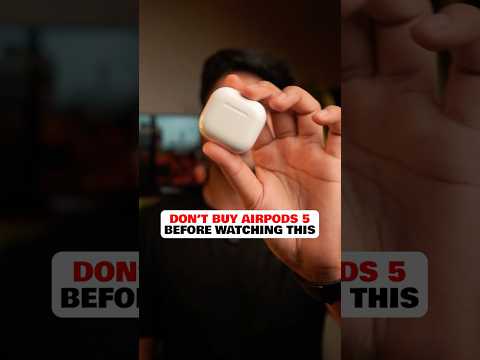
AirPods 5 has finally landed in the crowded true wireless space, and after one month of daily use, the overall impression is more refined than previous generations. The new design maintains the familiar stem shape but with slightly smaller housings that feel less obtrusive in pockets and during workouts. Battery life on a full charge remains solid, easily lasting a workday for most tasks, calls, and streaming. Case usability is improved with a faster magnetic latch and a smoother lid action. The pairing experience on Apple devices is almost instant, and setup with non‑Apple hardware has become more reliable, though some features still rely on iOS integration.
On the sound side, AirPods 5 delivers a balanced profile with clear highs and a surprisingly tangible midrange that makes podcasts and music enjoyable without ear fatigue. The bass has improved texture without overpowering the mix, which helps voice calls sound natural. Active noise suppression is good for commuting, and the transparency mode remains useful when you need situational awareness. If you care about gaming latency, you will notice modest improvements compared with older buds, especially when connected to Apple devices. Battery life for listening alone sits around six hours per charge, with about 24 hours total with the charging case.
Design and comfort are not the only wins. The case is small enough to slip into a pocket with ease, and it supports wireless charging as well as fast charging from a USB‑C power brick in many markets. The case battery is sufficient to top up the buds once or twice during a day away from a desk. Call quality has improved thanks to dual beamforming mics that reduce wind noise and pick up voice clearly, even in busy environments. If you regularly use your buds for video calls or voice memos, you will appreciate the consistency and the way they disappear into your routine.
Software and features remain a strong selling point for Apple fans. The control stack is intuitive: tap once to play or pause, double‑tap to skip, and press to access the voice assistant if available. Spatial audio works with supported apps to create a more immersive listening experience, though you may notice more pronounced effects with wide‑stereo content. On older Android phones, compatibility is still good for basics like listening and calls, but you will miss some convenience features. If privacy matters, you can tune microphone usage and on‑device controls to minimize data sharing while you enjoy day‑to‑day listening at work.
Other Good TWS Alternatives: 1. Realme Buds Air 8 Pro are worth noting as part of the comparison. The market offers credible options if you want to compare value and features. Realme Buds Air 8 Pro are a close competitor with strong ANC, a robust app, and very comfortable tips for long listening sessions. It often delivers punchier bass for EDM and hip‑hop while maintaining clear mids for vocals. Other good options include Samsung Galaxy Buds Pro for multi‑device pairing, Sony WF- series for studio‑grade sound, and budget contenders that still punch above their price. They suit different budgets well.
In conclusion, Apple AirPods 5 represents a refined step forward for the line, especially for users deeply invested in the Apple ecosystem. The comfort, sound quality, and practical features justify the price for many, while Android owners may still feel a slight edge paying attention to feature parity. If you value a compact, reliable wireless experience with excellent integration, AirPods 5 is worth a close look. For those who want more customization or ANC options, exploring competitive TWS headphones can help you find a model that aligns with your priorities and budget. For most users, this makes AirPods 5 compelling.
0 Response to "AirPods 5: A 30-Day Deep Dive—What They Really Do, What They Don’t, and Why It Matters"

0 Response to "AirPods 5: A 30-Day Deep Dive—What They Really Do, What They Don’t, and Why It Matters"
Post a Comment